


























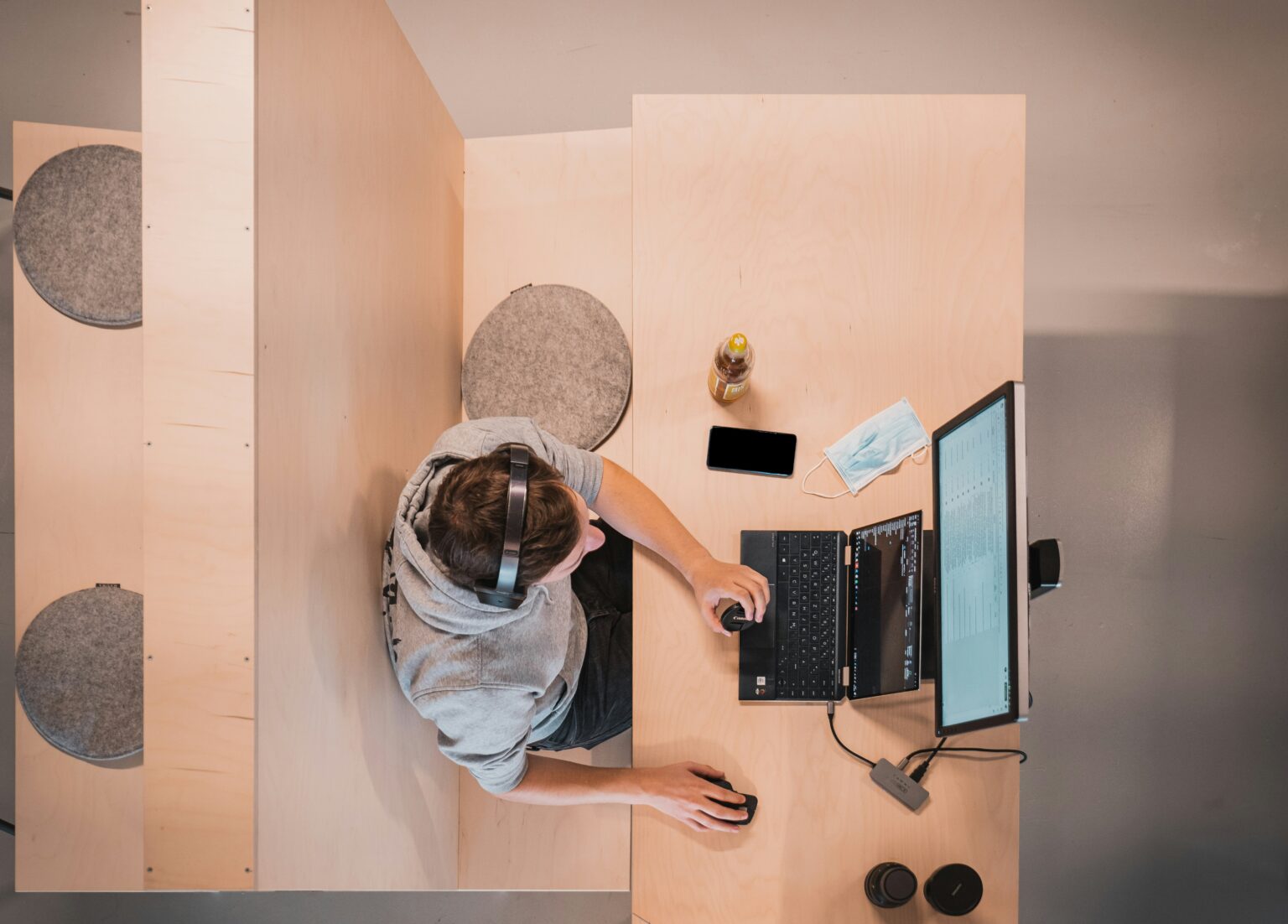
Sustainable office solutions in Hong Kong: Reducing costs and supporting ESG goals
As businesses across Hong Kong accelerate their sustainability efforts, the workplace has become a key area for meaningful environmental action. From reducing energy consumption and minimising waste to extending the lifecycle of office furniture, sustainable office solutions can help SMEs lower operational costs while supporting their ESG goals.
Creating a greener workplace does not always require significant investment or major renovations. Through practical initiatives such as energy-efficient technologies, circular furniture solutions and employee-centric workspace design, organisations can build offices that are both environmentally responsible and commercially effective.
Why sustainable offices matter more than ever
Sustainability has evolved from a corporate buzzword into a business imperative. Increasingly, companies are integrating Environmental, Social and Governance (ESG) considerations into their operations, while clients, investors and employees expect organisations to demonstrate measurable environmental responsibility.
According to The Executive Centre, sustainable workplace design has become a strategic consideration, focusing on minimising environmental impact while supporting employee wellbeing and operational efficiency.
For Hong Kong SMEs, sustainability is particularly relevant. Buildings account for a significant share of Hong Kong’s energy consumption, while office operations contribute through lighting, air conditioning, IT equipment and workplace waste. The original research referenced in this article notes the important role that buildings and workplaces can play in reducing energy consumption and carbon emissions.
For businesses and workplace teams, sustainability initiatives are no longer solely about environmental stewardship. They can also contribute to:
- Reducing operating costs
- Supporting ESG reporting requirements
- Attracting and retaining talent
- Improving workplace productivity
- Enhancing corporate reputation
Organisations that integrate sustainability into their broader business strategy can also create value, improve resilience and reduce operational risks.
1. Prioritise energy efficiency for immediate impact
Energy consumption remains a significant operational expense for many SMEs. Fortunately, it is also one of the most accessible areas in which businesses can take action.
Practical measures include:
- Replacing conventional lighting with LED fixtures
- Installing occupancy sensors for meeting rooms and common areas
- Using smart thermostats and energy management systems
- Upgrading to energy-efficient office equipment
Smart lighting and HVAC controls can form important elements of more sustainable workplace design, particularly when combined with an understanding of how and when different areas of an office are actually used.
Workplace tip: Conduct regular energy reviews to identify high-consumption areas and establish performance benchmarks. Even relatively simple adjustments to lighting, equipment use and office temperature settings can contribute to longer-term energy savings.
2. Extend furniture lifecycles through circular economy practices
Furniture replacement is sometimes overlooked in sustainability discussions. Yet decisions around office furniture can have significant implications for waste, resource consumption and embodied carbon.
Rather than automatically purchasing new furniture during an office relocation, refurbishment, expansion or workplace redesign, SMEs can consider:
- Refurbishing existing office furniture
- Purchasing quality pre-owned furniture
- Furniture repair and reupholstery
- Redeploying furniture between offices or departments
- Modular furniture systems that can be reconfigured
- Responsible resale or recycling of surplus assets
For Hong Kong SMEs, quality refurbished furniture can offer several potential benefits, including lower procurement costs, reduced waste and greater support for circular economy objectives.
Giving office furniture a second life
One of the most practical ways for SMEs to embrace sustainability is by extending the lifecycle of existing office furniture. Instead of sending usable furniture to landfill during office relocations, downsizing or workplace refreshes, organisations can consider reuse, refurbishment, redeployment and resale as part of their furniture management strategy.
Professional refurbishment can extend product lifespan through cleaning, repair, reconditioning and quality checks, helping furniture remain functional, safe and visually appealing.
By choosing refurbished workstations, office chairs, storage units and meeting-room furniture, businesses can also reduce the need to manufacture and transport replacement products while managing workplace budgets more effectively.
This circular approach is particularly relevant during an office move or refurbishment. Reviewing furniture assets before a project begins allows businesses to determine what can be retained, what can be refurbished or redeployed, and what should be resold, recycled or responsibly disposed of.
As more organisations adopt circular economy practices, furniture reuse is becoming an increasingly relevant component of sustainable workplace strategies. For growing SMEs, it offers a practical way to create professional, high-quality workplaces while making better use of existing resources.
Why choose refurbished office furniture?
- Keep quality furniture in circulation for longer
- Support sustainability and circular economy objectives
- Reduce unnecessary furniture replacement
- Lower costs compared with purchasing equivalent new furniture
- Access quality office furniture at a more affordable price point
- Reduce the amount of usable furniture sent to landfill
This demonstrates that sustainability and cost efficiency can work together, helping businesses create workplaces that are fit for purpose today while taking a more responsible approach to resources.
3. Improve employee wellbeing through sustainable design
A sustainable office is not only about energy consumption and waste reduction. It should also create a healthier, more productive environment for the people using it.
Workplace environment can influence employee wellbeing and productivity, making considerations such as natural light, ergonomics, indoor environmental quality and flexibility important parts of sustainable workplace planning.
Maximise natural light
Making effective use of natural daylight can reduce dependence on artificial lighting while creating a more pleasant working environment.
Incorporate biophilic design
Plants, green features and natural materials can bring elements of nature into the workplace and contribute to a more welcoming office environment.
Invest in ergonomic furniture
Quality ergonomic seating and adjustable workstations can support employee comfort while offering greater flexibility for workplaces used by different employees under hybrid and flexible working arrangements.
Importantly, improving ergonomics does not always require buying everything new. Existing quality furniture may be suitable for repair, refurbishment or reconfiguration, extending its useful life while supporting changing workplace requirements.
4. Reduce waste through smarter workplace practices
Waste management remains a relatively straightforward but potentially impactful sustainability initiative.
Businesses can consider:
- Clearly labelled recycling stations
- E-waste collection programmes
- Paperless document workflows
- Reusable pantry utensils and containers
- Printer management policies
- Furniture reuse, resale and responsible recycling initiatives
Beyond environmental benefits, waste reduction can help lower unnecessary procurement and disposal costs while demonstrating a visible commitment to sustainability.
For organisations undergoing an office move, clearance or refurbishment, planning ahead is particularly important. Assessing furniture, IT equipment and other workplace assets before the project begins can identify what can be retained or reused rather than treating everything as waste.
5. Consider green building standards and certifications
While green certifications may initially seem more relevant to large corporations, SMEs can also use recognised sustainability frameworks to help guide workplace improvements.
Common standards relevant in Hong Kong include:
- BEAM Plus
- LEED (Leadership in Energy and Environmental Design)
- WELL Building Standard
These frameworks consider areas including energy efficiency, water conservation, indoor environmental quality and occupant wellbeing.
Even where formal certification is not currently practical, businesses can use the underlying principles as a reference point for continuous workplace improvement.
6. Support ESG goals through a broader workplace strategy
One of the most important shifts in sustainability is moving beyond individual initiatives towards a broader and more coordinated workplace strategy.
This means considering sustainability throughout the workplace lifecycle, from initial space planning and office design through to refurbishment, relocation, furniture management and eventual reuse or responsible recycling.
Workplace and facilities teams can contribute by:
- Tracking energy and waste metrics
- Supporting carbon-reduction goals
- Extending furniture and asset lifecycles
- Incorporating responsible procurement policies
- Identifying reuse and refurbishment opportunities
- Providing relevant data to support ESG reporting
By treating workplace sustainability as part of wider business planning, Hong Kong SMEs can pursue environmental objectives while also considering cost, employee experience and operational efficiency.
Sustainable office solutions, step by step
For SMEs in Hong Kong, sustainable office solutions can offer a combination of environmental and commercial benefits:
- Lower operating costs through greater efficiency
- Reduced waste and landfill contribution
- Better employee wellbeing and workplace experience
- Stronger support for ESG objectives
- More efficient use of existing workplace assets
- Greater adaptability as business requirements change
As sustainability expectations continue to evolve, businesses have an opportunity to make meaningful workplace improvements.
Whether through energy-saving technologies, office furniture refurbishment and reuse, smarter workplace design, responsible recycling or better management of assets during an office relocation, the most effective approach is one that balances environmental responsibility with practical business needs.
Building a more sustainable workplace starts with practical choices
A sustainable workplace does not necessarily have to begin with a major office transformation. Reviewing what you already have, identifying opportunities to reuse or refurbish assets and considering sustainability when planning future workplace changes can all make a difference.
Crown Workspace Hong Kong supports businesses throughout the workplace lifecycle, from office design and refurbishment to relocation, furniture management, storage and responsible reuse and recycling solutions.
For businesses looking specifically for quality pre-owned furniture, the Office Resale e-store provides a curated selection of refurbished office chairs, desks, workstations, storage solutions and meeting-room furniture. It offers a practical and sustainable alternative for businesses furnishing a new office, expanding their workspace or refreshing an existing environment.
Ready to create a more sustainable workplace?
Talk to Crown Workspace Hong Kong about your workplace requirements, or explore our Office Resale furniture collection to give quality office furniture a second life.

Hot Takes – Questions and Answers (Q&As)
1.What are the most effective sustainable office solutions for Hong Kong SMEs?
Sustainable office solutions can include energy-efficient lighting and equipment, waste reduction programmes, digital workflows, employee-focused workplace design, and the reuse and refurbishment of office furniture. The right combination depends on the organisation’s workplace, budget and sustainability objectives.
2.How can a sustainable office help businesses reduce costs?
Businesses may be able to lower electricity consumption through energy-efficient equipment and lighting, reduce unnecessary disposal and procurement, and extend the useful life of existing workplace assets through furniture reuse and refurbishment. Better space utilisation can also help organisations get more value from their existing office.
3.Is refurbished office furniture a good choice for businesses in Hong Kong?
Professionally refurbished office furniture can provide a practical alternative to purchasing new. It keeps usable assets in circulation for longer, supports circular economy principles and can give businesses access to quality furniture at a more affordable cost.
4.How can sustainable office solutions support ESG goals?
Workplace sustainability initiatives can contribute to goals such as reducing energy consumption and waste, conserving resources and supporting employee wellbeing. They can therefore form one part of a company’s wider ESG and responsible-business strategy.
5.What is the first step towards creating a sustainable office in Hong Kong?
Start by assessing the existing workplace, including energy consumption, waste, furniture and other assets, space utilisation and employee requirements. This can help identify practical opportunities before investing in larger changes.
6.How can SMEs create a more sustainable office without a large budget?
Businesses can begin with practical measures such as improving recycling, reducing paper consumption, reviewing energy use and repairing, refurbishing or purchasing quality pre-owned furniture rather than automatically buying new. These actions can support sustainability while helping to manage costs.
Related stories

Hybrid work can leave offices crowded on peak days and empty on others. Learn how Hong Kong businesses can optimise office space, capacity and utilisation.

Learn how to manage security, compliance and business continuity risks during a high-security office relocation in Hong Kong, from sensitive assets to critical IT systems
Why are workplace amenities and collaboration spaces underused? Discover how Hong Kong businesses can improve office space utilisation, employee experience and workplace performance.