


























Is it time for offices to get personal again?
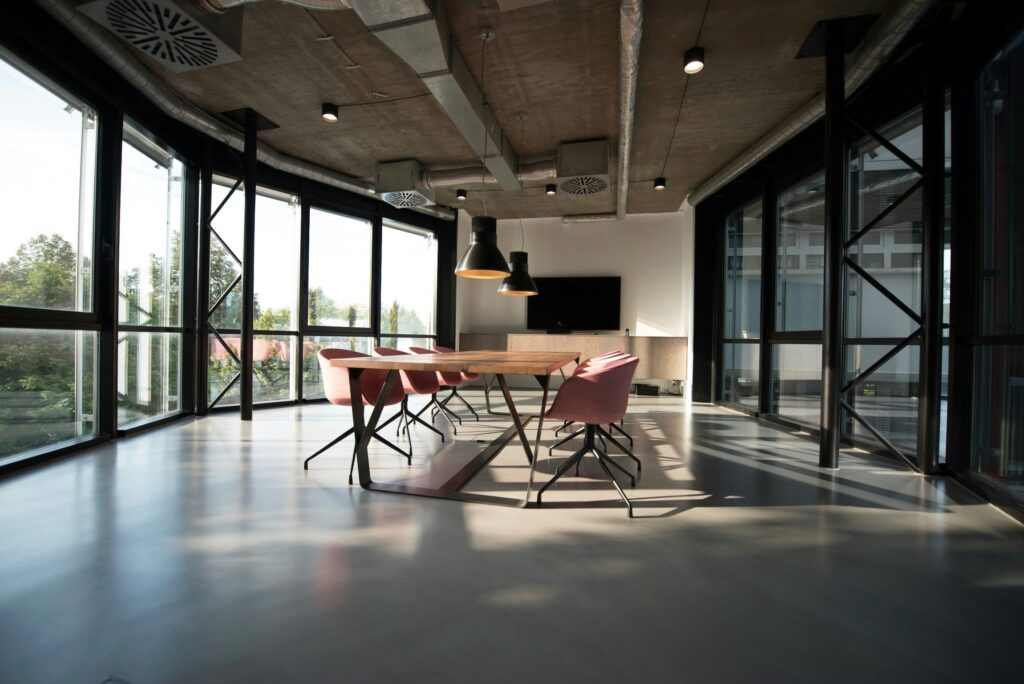
The open office was sold as the modern solution to just about any workplace problem for decades now: siloed workers? Open them up (literally) to collaboration. Bad communication? Put everyone in a big room. Worried about productivity? Create a vantage point.
And so, walls came down, spaces opened up, and collaboration was supposed to flourish. But if you ask most people working in these environments today, you’re unlikely to hear praise. What you’ll often hear instead are requests for something much simpler: a desk that feels like their own, a quiet place to focus and a space where they can get real work done without interruption.
Some staff requests do of course, read more like wish lists than actionable insight, but the vast majority of these concerns do not require enormous financial resource and when weighed against productivity gains, may actually yield more than they take.
Beyond aesthetics: what do office workers actually want?
After decades of bold claims, the open office now finds itself under increasing scrutiny, some evidence even suggests a completely open environment is bad for not just mental health, but physical health too. It was sold on promises of collaboration, but increasingly, people are asking for the very thing open offices wanted to get rid of: personal space. This isn’t about cubicle nostalgia. It’s about recognising that working environments need to achieve the fundamental objective of making workers happier and more productive. Feeling relaxed in the office is a pre-requisite to actually doing one’s job, after all.
Management and staff aren’t aligned
Recent research underscores this growing disconnect. While many offices appear flexible, the experience of working within them proves otherwise. Hot-desking and shared layouts may offer efficiency, but they stifle focus. How many of us lock ourselves away in a private meeting room simply to “lock in” and get a vital project over the line?
This trend is measurable. As we explore in our report: “Is it time to kill the open office, for good?” Workers say they are more likely to return to the office if it delivers better environments for both focus and flexibility. Second monitors, quiet zones, and reliable setups ) will incentivize the great “return to the office” movement we heard so much about post-COVID, Especially if home setups are currently better than those a work.
Don’t be afraid of personal space.
Perhaps the most important thing in our research is that personal, quite space in an office isn’t a “nice to have”, it’s considered a necessity by the vast majority of office workers (80%). While, as we’ve discussed, open offices promised collaboration and a great many other things, many now serve as unstructured environments where collaboration is neither spontaneous nor effective. Another common office trope: how keen are you to discuss specifics of strategy with a colleague when there’s 30 other people listening in?
Meeting spaces are vital of course, but people also need to regroup after meetings and process information in their own way. The ebb and flow of a productive office environment, from our research, clearly distinguishes between collaboration and that personal “lock in” time to get work done.
This work rhythm delineation needs physical demarcation to be truly effective.
How to have the best of both worlds
Reintroducing personal space does not require reverting to models from the 1980s (the Harvard Business Review has a good rundown of what came before); although it’s worth noting not everything about office design was terrible back then either. In a lot of cases, it is simply a matter of assigning desks and providing quiet rooms that are not improvised meeting spaces.
Give employees some agency in shaping the environment too. Something we emphasize continuously in the office design space is the importance of consultation from the moment you decide to begin. This could be very basic, like reserving a locker, adjusting desk height, or keeping a familiar screen layout. On a more systematic level, we’d recommend allowing private working time in the form of more meeting rooms and opening them up to be booked out by individuals.
Finally, and this one is particularly important to remember: This isn’t about ending collaboration. In our experience working with hundreds of major clients, the most effective workplaces will be those that reflect real needs, not just buzzwords or spatial trends. Bringing people back into the office requires giving them a reason to be there, and in this case? A little personal space goes a long way.
Want to learn a bit more about this shift in thinking? Read our full report: Is it time to kill the open office, for good?
This study includes insights from over 1,000 office workers and 250 facilities leaders across multiple global markets.
Related stories

Understand why office moves cause frustration in Hong Kong and how Crown Workspace helps businesses communicate better and create workplaces people value.

Discover how to maximise office space efficiency in Hong Kong with smart workspace design that boosts productivity, wellbeing and hybrid work performance.
Planning an office move? Learn how to relocate your office successfully with a step-by-step checklist, expert tips and key considerations for a smooth transition.