



























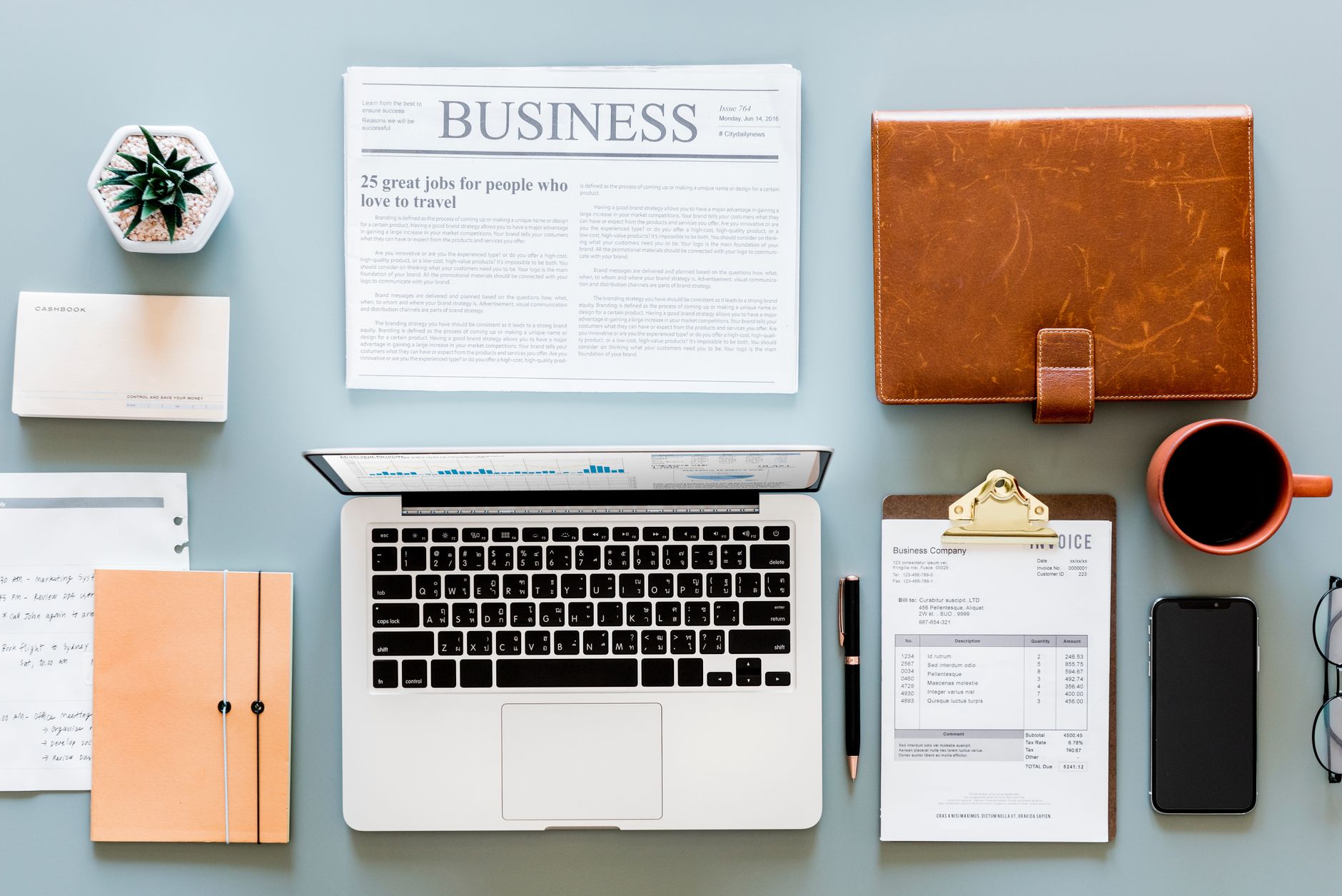
Agile Working Environment
Agile working is used to explain a dynamic and flexible work office space. It is also known as Activity Based Working.
With new generations entering the workplace, the revolution of office design has quickly evolved to great new environments to meet their needs – an agile environment.
According to a survey by Office Principles approximately 35% of large corporations have adapted to agile working. They also predict that by 2020, 92% of large corporations will also have embraced an agile work environment.
But what does agile actually consist of?
Many people will explain that agile is not just design, but also culture and office life. It begins as soon as you walk into a building, determining layouts, areas and functions carried out in each work space.
Agile working considers all possible generations working in an office. This can be between 3-5 generations including the baby boomers, generation X the millennials and let’s not forget the older generation.
Agile environments accommodate the different generations and can feature up to 4 workplace zones- Collaborative, Social, Focus and Learning to meet the requirements of all job roles. A focus area could consist of small cubicles, hot desks and quiet areas. A collaborative area might include benches, interactive whiteboards and extra chairs and resources for that impromptu meeting.
Learning zones include AV software- so you are able to use projector screens and Microphones.
Social zones make up coffee machines, break out areas and games to help you bond with teammates and relax.
So why are so many organisations leaning towards this new environment? Aside from the space saving- you could save up to 30% of office space if you were to desk share. It also reduces operational costs which could improve your cash forecast.
With the space saved through methods such as hot desking, your organisation could be in a position to let the empty space out. Many start up’s have set up their businesses through this manner which has not only saved money, but has also enhanced collaboration.
So what are you waiting for? Start saving space as well as cash and improve your working environment.
What makes an office green?
Including expert insight on greenwashing and greenhushing in office design and planning, this guide helps workplace leaders embed credible sustainability into built environments and communications.
Beyond greenwashing: What makes an office "sustainable"?
Related stories
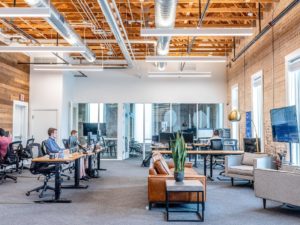
Six countries, 1200 respondents: Our new 2025 research survey suggests open-office orthodoxy is making the post-COVID workplace less palatable than ever. What can be done about this?
On Monday morning, leaders emails: the lease is ending and the office will move. The lease is ending. The office will move. Options are under review; details are TBD. Weeks pass. Rumours fill the gap. People start asking questions. Will the new office be farther away? Will there be enough desks? Will there be fewer […]

The circular economy is centered around designing out waste and pollution, keeping resources in use for as long as possible and regenerating our natural systems. But how do we translate that to create a ‘circular workplace’? And what does that look and feel like?

For many organizations, your office is seen as a cost of doing business. Rent, furniture, fixtures and equipment are written off over time and eventually replaced. But what if we started treating offices differently? What if we viewed them as assets that can hold value, adapt to change and contribute to long-term resilience? This shift […]