

























A Fresh Start in The Same Place? We Have Some Inspiring Ideas
Our best and clearest thinking happens in the shower, so what about the office…
A study by cognitive scientist Ron Friedman revealed that 72% of people generate their best ideas in the shower. The study highlights the importance of relaxation for creative thinking. People, devices and noise are all highly distracting. Therefore, it is important to find ways to block these distractions to encourage creativity.
If this is the case, why don’t we ensure our offices are just as inspiring? Even in some of the most liberal offices, hopping in the shower at work is frowned upon. So how can workspaces inspire creativity and productivity?
By having a well-designed office with the right balance of quiet and vibrant, interactive spaces, you can turn a tired and unimaginative workspace into something invigorating which is full of energy, creativity and productivity.
Create a truly unique and inspiring workplace
If you’re considering how you might change your work environment for the better, we’ve got some ideas. Whether you’re looking to attract and retain talent, make the office a more creative place, or simply make better use of the space you have, we can help.
We’ll help you analyse your workspace and transform its design to create a unique environment that is perfectly made for you.
Get in touch for more inspiration.
Related stories
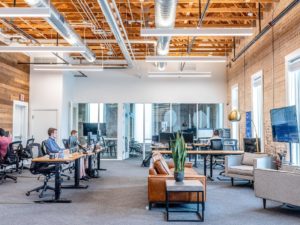
Six countries, 1200 respondents: Our new 2025 research survey suggests open-office orthodoxy is making the post-COVID workplace less palatable than ever. What can be done about this?
On Monday morning, leaders emails: the lease is ending and the office will move. The lease is ending. The office will move. Options are under review; details are TBD. Weeks pass. Rumours fill the gap. People start asking questions. Will the new office be farther away? Will there be enough desks? Will there be fewer […]

The circular economy is centered around designing out waste and pollution, keeping resources in use for as long as possible and regenerating our natural systems. But how do we translate that to create a ‘circular workplace’? And what does that look and feel like?
For many organizations, your office is seen as a cost of doing business. Rent, furniture, fixtures and equipment are written off over time and eventually replaced. But what if we started treating offices differently? What if we viewed them as assets that can hold value, adapt to change and contribute to long-term resilience? This shift […]