



























Four design tips to help motivate staff
Creating an inspiring work environment can be a powerful resource in creating a productive work space.
With younger generations entering the workplace collaborative workspaces have never been so popular.
Businesses that adopt collaborative workspaces are better equipped to ensure employee satisfaction and improve productivity.
The way in which people learn is heavily influenced by the professional environment around them.
Here are four design tips that can be used to improve productivity within your organisation .
1) Design space around your people
Think outside the box! What benefits could your employee’s reap from an unusual design. An example of this if you’re a retail brand is to create an onsite shop for training purposes
2) Brighten your breakout
Avoid using ‘neutral’ colours generally found in the staff canteen (grey/beige) and create spaces using bright and engaging colours. Replicate a home environment allowing space for people to rest, recuperate and come back to work recharged
3) Create quiet zones
Create an area where no phones are allowed. This small area of peace and quiet could be really important, in a somewhat stressful day
4) Encourage collaboration
Create gathering spots that are located across the office. These pods are great to use when brainstorming and encourages people to get more creative. Lowered partitions helps opens up the space visually, encourages communication, and allows daylight to enter
What will the workspaces of tomorrow look like?
Including expert insight on the pros and cons of working from the office vs home, this is an essential guide for those redefining the purpose of workspaces and adapting to hybrid working patterns.
Get the whitepaper now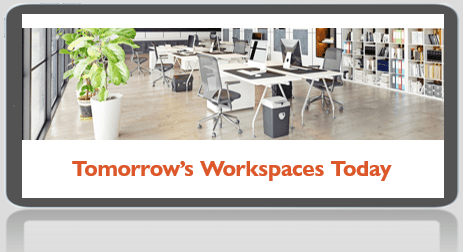
Related stories

We unpick why employee engagement is vital to the success of an office relocation (or any workplace project, for that matter).
Over the years, we have learned that some office moves carry risks that most people never think about. A few years back, we relocated the World Wide Fund for Nature (WWF) into new offices over a single weekend. We coordinated the move of over 350 staff, transporting furniture, delicate artifacts, and IT equipment. The artifacts […]

As a pioneer in circularity, we’ve long understood our responsibility to reduce the environmental impact of our operations and services. The launch of our circular economy framework, aligned with BS ISO 59000 standards, marks a step forward in our journey at Crown UKI, formalising our commitment to embed circularity consistently across all brands.