




























Office Move Checklist: How to Plan a Successful Office Relocation
The Ultimate Guide to a Successful Office Relocation: Tips, Key Considerations & an Office Move Checklist.
Relocating an office is a major milestone for any organisation. Whether you are moving to a new office due to expansion, the need for improved facilities, changes in working style or a lease coming to an end, it represents a valuable opportunity to improve culture, productivity and workplace experience. At the same time, moving offices without a solid plan can impact continuity, staff morale and operational performance.
This streamlined guide covers the key elements of a successful office relocation, along with a practical office move checklist to ensure a smooth transition.
What Is the Best Way to Plan an Office Move?
The best way to plan an office move is to define clear objectives, set a realistic budget and timeline, and appoint internal and external move leads, prioritise IT continuity, and follow a structured office move checklist covering planning, preparation, communication, execution and post-move support.

Why is Office Relocation Planning Important?
An office relocation is far more than a logistical exercise. When delivered effectively, it can enable long-lasting business benefits, such as:
- Improved employee well-being and collaboration
- Better support for hybrid working
- Increased productivity and efficiency
- Reduced real estate and operational costs
- A modern workplace that attracts and retains talent
If not planned well, moving offices can result in:
- IT downtime and business disruption
- Increased project costs
- Low staff engagement and uncertainty
- Delays to service delivery
For most organisations, success relies on a clear strategy—not just on physically transporting furniture and equipment.
What Are the Top Tips for a Successful Office Relocation?
Define Clear Goals and Success Criteria
Before deciding how to move offices, determine what the organisation needs the new space to deliver: more collaboration space, reduced footprint, improved accessibility, a sustainability-focused workspace or room to grow. These goals should shape every decision.
Form a structured internal move team
Office relocations span facilities, HR, IT, finance and communications. Appoint a project lead and ensure responsibilities are clearly assigned to avoid duplication and gaps.
Confirm realistic budget and timeframe
Hidden relocation costs—such as dilapidations, fit-out, technology upgrades and storage—can take organisations by surprise. Building a comprehensive cost plan and realistic timeline early prevents disruption later.
Prioritise IT and data security
Technology underpins business continuity. Network connectivity, hardware relocation, cloud considerations, AV equipment and cybersecurity must be planned and tested in advance. Many organisations choose phased or out-of-hours IT moves to prevent downtime.
Communicate early and regularly with employees
Staff communication is essential for a smooth experience when moving to a new office. Updates, FAQs, packing guidance and previews of the new space reassure colleagues and create a sense of excitement.
Relocation is an opportunity to:
- Rethink working styles
- Optimise layouts
- Reduce Physical storage
- Improve sustainability through reuse and recycling
- Leverage relocation specialists
Professional relocation support reduces organisational risk and protects business continuity. Experts can manage planning, physical moves, IT commissioning and workplace readiness to ensure a seamless Day One experience.
What Should You Consider When Moving Offices?
In addition to tips and logistics, several broader factors shape the success of an office move:
When planning an office relocation, organisations must consider several strategic factors to ensure success. Business continuity is essential to avoid disruption to operations and customers, while robust technology and cyber security planning ensure systems remain secure and reliable. A clear workplace strategy helps align the new space with working styles and company culture, and thoughtful decisions around furniture and storage can reduce costs while supporting sustainability goals.
Incorporating ESG and circular economy principles helps minimise environmental impact, effective budget control prevents unexpected overspend, and prioritising employee wellbeing encourages positive engagement with the new workplace. These considerations apply to every office move, regardless of size or sector.
Office Move Checklist: Step-by-Step Guide
This concise office move checklist helps ensure smooth planning and transition.
Phase 1 – Planning
✔ Define objectives and outcomes
✔ Assess space and technology requirements
✔ Secure the new office and agree move date
✔ Set budget and approval process
✔ Assign internal project leads
✔ Appoint external relocation partner
Phase 2 – Preparation
✔ Audit IT, furniture and storage
✔ Decide what to keep, refurbish, donate or recycle
✔ Finalise layout and seating plans
✔ Plan IT and AV set-up for Day One
✔ Notify suppliers, telecoms and insurers
Phase 3 – Communication
✔ Share move instructions and packing guidelines
✔ Provide timeline and department responsibilities
✔ Issue FAQs for staff
✔ Share visuals of the new workspace and floor plan
Phase 4 – Move Execution
✔ Pack and label assets securely
✔ Transfer IT and equipment safely
✔ Install workstations and test systems
✔ Carry out snagging and safety checks
Phase 5 – Post-Move Support
✔ Conduct employee orientation
✔ Provide temporary IT and FM support
✔ Review feedback and utilisation
✔ Close out project reporting and invoicing
What Should Happen on Office Move Day?
Project Management & Supervision
- Appoint an On-Site Lead (Old Office): One designated person (Project Manager or Relocation Committee member) must stay at the old location to supervise the final packing, loading, and to act as the sole point of contact for the movers.
- Appoint an On-Site Lead (New Office): A second designated person should be at the new location to direct the unloading, ensuring boxes and furniture go directly to the correct, pre-labelled departments/areas based on the new floor plan.
- Contact List: Keep a printed and digital list of all critical contacts, including the moving company supervisor, IT contractor, building manager (at both locations), and your internal leads.
Logistics & Access Control
- Move Schedule Confirmation: Reconfirm the exact arrival time and schedule with the moving company first thing in the morning.
- Clear Access: Ensure all designated routes (elevators, loading docks, corridors) are reserved, clear of obstacles, and that movers have immediate access to both buildings (keys, security passes, entry codes).
- Protect the Buildings: Oversee the placement of protection (floor runners, door covers) at both the old and new premises to prevent damage during the move.
The IT/Critical Box
- Secure Transport: Ensure the pre-packed “Essentials/First-to-Open” box (containing things like critical tools, chargers, important paperwork, petty cash, snacks, etc.) is transported separately, ideally by one of your internal leads, not the movers.
- IT Equipment Check: Monitor the handling of any remaining sensitive IT equipment (servers, main printers) to confirm they are handled by the specialist IT relocation team, if applicable.
End-of-Day Checks
- Final Walkthrough (Old Office): Before the last truck departs, the On-Site Lead must conduct a thorough, room-by-room inspection to ensure:
- No items are left behind (check storage cupboards, fridges, under desks).
- All utilities (power, water) are disconnected or switched to standby as per the handover agreement.
- Keys, passes, and security codes for the old office are accounted for and ready for handover to the landlord/building management.
- Arrival Check (New Office): The lead at the new office should confirm that the most critical items (IT equipment, reception desk setup) have arrived and are in their correct locations, ready for the setup team.
On moving day, timing and clear leadership make all the difference. Move day is less about lifting and more about managing the flow, communicating, and securing the handovers at both ends.
How Do You Maximise Value After an Office Move?
Once teams have arrived in the new workplace, continue to monitor how the space performs. Adjust layouts based on utilisation, improve technology where needed, and encourage two-way feedback. The goal is not simply how to move offices, but how to ensure the new workplace helps the organisation thrive long term.
Final Thoughts
With strong planning, a realistic timeline and the right expertise, an office relocation can become a springboard for better culture, productivity and operational performance. By following the guidance above—and using a clear office move checklist—moving offices can be an enjoyable and forward-looking experience rather than a disruption.
Navigating an office relocation demands careful consideration of various factors. By addressing these seven essentials, you’re better equipped to orchestrate a seamless move that aligns with your business’s needs, minimises disruptions, and ensures a fresh start in your new office space.
Reach out to our helpful team of experts today to get started on your office relocation!
What will the workspaces of tomorrow look like?
Including expert insight on the pros and cons of working from the office vs home, this is an essential guide for those redefining the purpose of workspaces and adapting to hybrid working patterns.
Get the whitepaper now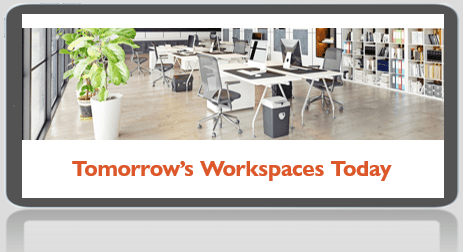
Related stories

Discover smart office layouts that boost productivity, enhance collaboration, and integrate modern tech for a flexible, future-ready workspace.

Maximise your small office space with smart desk ideas and space-saving layouts that boost productivity and create a stylish, efficient workspace.

Around half of all Facilities Managers plan to downsize their office space in the next three years. How, and why?