


























The People-Less Office Still Needs the Right Chair
As the workplace changes and employees’ and companies’ ideas of work change, the office is finally becoming more efficient, with people-less office
People-less office
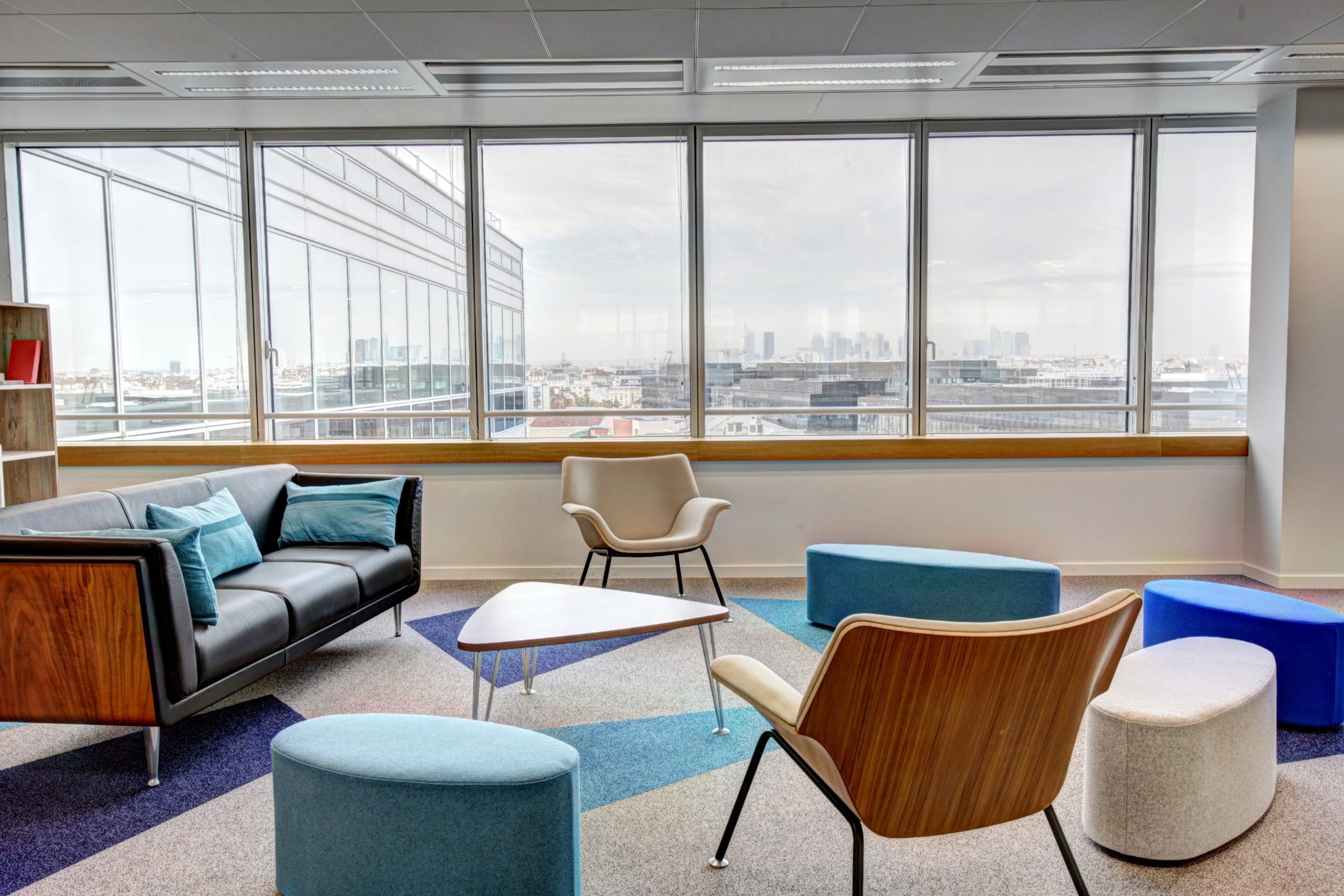
More people might mean fewer desks, and less formal meeting areas. There will be people, but not always where you expect them to be.
The people-less office is now becoming an ‘agile working environment’. This is known as a dynamic and flexible work office space. With new generations entering the work space, the revolution of office design has quickly evolved to great new environments to meet their needs.
You need a good office chair, you spend at least 1.84 hours in it
Average office occupancy is reducing, it has led to some surprisingly lopsided judgements on the part of companies when planning fit-out or office moves. You need a good office chair, you spend 1.84 hours in it.
If you worked in the average work space, you’d only have to work 3.2 hours per day in a chair. If you work the hours of a typical private office, then you’d clock in at a sparse 1.84 hours. And of course, if you were a conference room, you’d probably never turn up.
Thinking differently about your workspace could help you choose the furniture you actually need.
Are you thinking more chairs? Or more choices
Many companies think that growing the business implies making room for more staff.
Trends in work styles and office design point in the opposite direction-fewer desks per head, and a smaller space per work station.
With the space saved through methods such as smaller work stations and hot desking, your organisation could be in a position to utilise its space more effectively.
Employees are choosing jobs where employers offer them more choices- such as flexible accommodation, or mobile working- and where output, rather than amount of time spent at the desk, is rewarded. You may be surprised to discover that a better workplace isn’t always bigger.
What will the workspaces of tomorrow look like?
Including expert insight on the pros and cons of working from the office vs home, this is an essential guide for those redefining the purpose of workspaces and adapting to hybrid working patterns.
Get the whitepaper now
Related stories

We unpick why employee engagement is vital to the success of an office relocation (or any workplace project, for that matter).
Over the years, we have learned that some office moves carry risks that most people never think about. A few years back, we relocated the World Wide Fund for Nature (WWF) into new offices over a single weekend. We coordinated the move of over 350 staff, transporting furniture, delicate artifacts, and IT equipment. The artifacts […]

As a pioneer in circularity, we’ve long understood our responsibility to reduce the environmental impact of our operations and services. The launch of our circular economy framework, aligned with BS ISO 59000 standards, marks a step forward in our journey at Crown UKI, formalising our commitment to embed circularity consistently across all brands.