




























Open plan or cellular?
When entering the design aspect of the relocation process, it is important to consider your organisations’ operational needs so the design can drive full business potential.
Review the job roles within the business first, and decide if they are best fore filled in open-plan or cellular environments.
Open plan offices promote team building and improve communication flows. They are also space and cost efficient as less materials and technology are required compared to creating cellular pods.
Open plan offices can sometimes be noisy and people can be distracted, which has an effect on productivity. To prevent sound from travelling, there are a number of options that can help such as double glazing and suspended ceilings.
To create a collaborative workspace why not consider the use of some screens and non-fixed partitions? These walls can offer you numerous workspaces and can be moved fairly quickly. The benefits of being able to create different work environments in a short space of time, is really useful and desirable in the office design industry.
Let your relocation manager talk to your various departments to identify their needs, requirements and desires of the office space and how they could use the potential space.
What will the workspaces of tomorrow look like?
Including expert insight on the pros and cons of working from the office vs home, this is an essential guide for those redefining the purpose of workspaces and adapting to hybrid working patterns.
Get the whitepaper now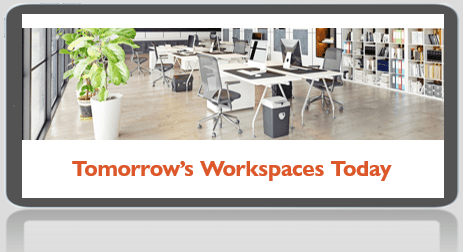
Related stories

Discover why office move planning should start earlier than you think and how early engagement helps improve sustainability, asset management, workplace design, and project outcomes.
As a pioneer in circular economy thinking in the workplace, Crown Workspace is pleased to announce a new collaboration with carpet reuse partner, Uplyfted.
Discover why office relocation success depends on more than just a new space, and how better workplace design and planning improve employee experience.